

Living a healthy lifestyle can inspire creativity and teach you discipline, adaptability, and balance.This will not only leave you looking and feeling better, but you will show up as a better version of yourself for the people in your life that truly matter.
It’s More Than Aesthetics:
Health and fitness are about more than the way
you look, the food you eat, or the weight you lift at the gym. They’re about:
- the way you feel.
- your quality of life.
- the focus you have at work.
- your ability to move.
- your psychological state.

When you’re truly healthy, you are in a better mood and can physically do more. You can do things like walking your dog, going hiking, or paddleboarding. Not being able to do these things can drastically impact your experiences and limit your quality of life.

Setting an Example
When you choose to live a healthy lifestyle, you
not only do yourself a favor, but you set an excellent example for all of those
around you. Your friends, family, and children are impacted by the healthy
choices you make and will often feel inspired to make a change in their ownlives.
Fitness Sports Performance Nutrition spotlight
Discussing Alcohol & Nutrition:
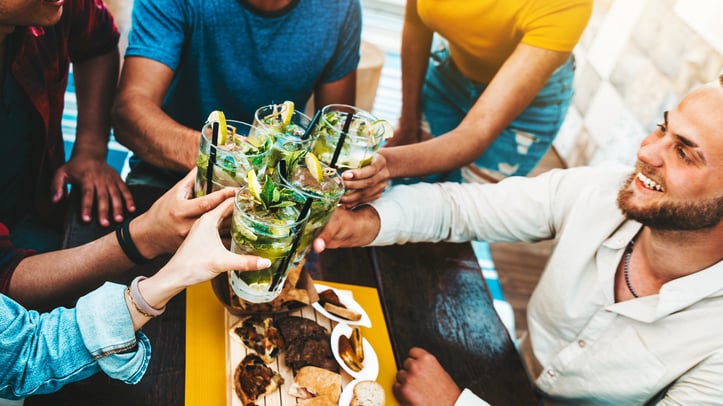
Making Mindful ChoicesFor many people, having a few drinks is part of day-to-day life—a cocktail after work, a toast at a wedding, or a drink to unwind. It can be easy to lose sight of how alcohol can affect health and wellness. But if you’re working on developing mindfulness .. the
way you feel..

-
Individual Preferences and Values: Our personal preferences, beliefs, and values play a significant role in shaping our lifestyle choices. For example, someone who values health and wellness may prioritize regular exercise and nutritious eating.
-
Social and Cultural Environment: The society and culture we live in heavily influence our lifestyle. Cultural norms, traditions, and societal expectations can dictate aspects such as diet, fashion, and leisure activities.
-
Economic Status: Financial resources impact the lifestyle choices available to us. Higher-income levels may afford access to healthier food options, leisure activities, and quality healthcare.
-
Education and Knowledge: Awareness and understanding of health-related information, including nutrition, exercise, and stress management, influence lifestyle behaviours. Education empowers individuals to make informed choices about their health and well-being.
-
Work Environment: Job demands, work schedules, and workplace culture can significantly impact lifestyle choices. Stress levels, sedentary jobs, and irregular working hours may affect sleep patterns, physical activity, and overall well-being.
